
Exile as Psychological Punishment
The Disappearance of Josef MengeleThis flow traces how exile deprived Josef Mengele of power and belonging, turning his escape into a prolonged confrontation with fear, memory, and physical decline.
increasing Bearing strength in each event
 decreasing
Bearing strength in each eventdecreasingThe Escape Fantasy
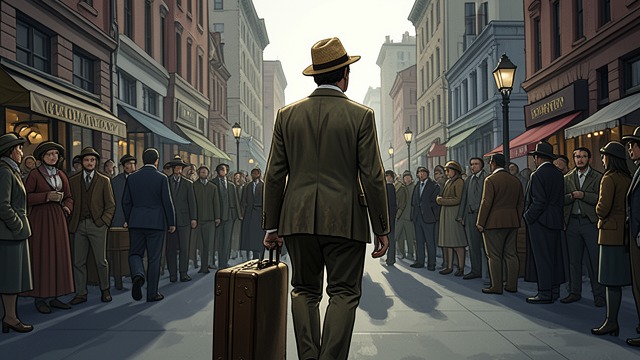
The Escape Fantasy
A new beginning imagined
Josef Mengele arrived in Argentina believing that distance and a false identity could restore his freedom. He sought work, cultural companionship, and a place among sympathetic exiles.
The cost of concealment
Even in a booming city, he avoided German speakers and feared recognition. Safety required him to suppress ordinary habits and live alert to the past.
A Brief Domestic Calm
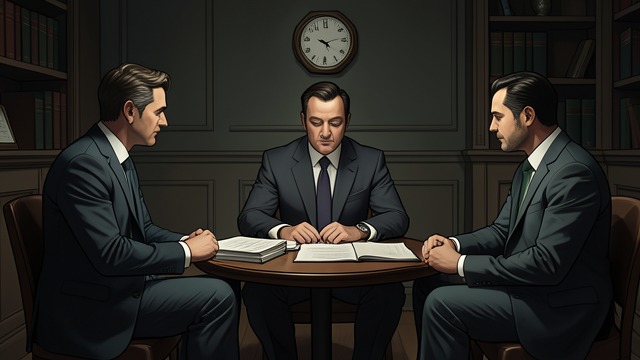
A Brief Domestic Calm
Respectability restored
With Martha and Karl-Heinz beside him, Josef Mengele built a household and expanded his business. For a time, he treated the future as secure.
The fracture returns
The abortion investigation and German inquiry broke through that sense of safety. His flight showed that material success could not remove the threat of exposure.
Life Under Surveillance

Life Under Surveillance
A fugitive’s alarm
The capture of Adolf Eichmann persuaded Josef Mengele that he could be kidnapped or exposed at any moment. He changed locations and distrusted even those sheltering him.
An open-air prison
Brazil offered cover but not peace. He guarded his movements, watched for threats, and relied on a household whose members knew how dangerous he was.
The World Moves On
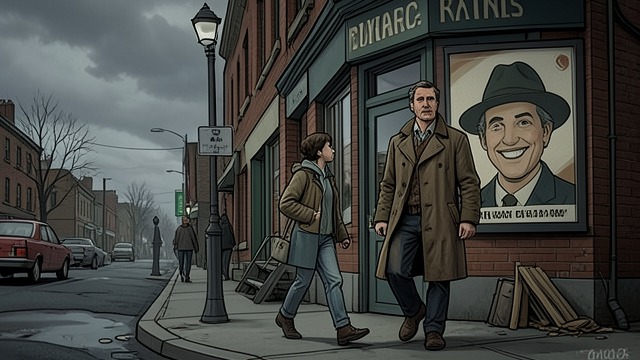
The World Moves On
A changed culture
From isolation, Josef Mengele watched young people challenge inherited authority and saw public culture turn against the world that had shaped him. The changes deepened his sense of exclusion.
An ideology stranded
He interpreted social change as decline rather than reconsidering his own beliefs. The world he hoped would restore Nazism had moved beyond his control.
The Open Prison Ends
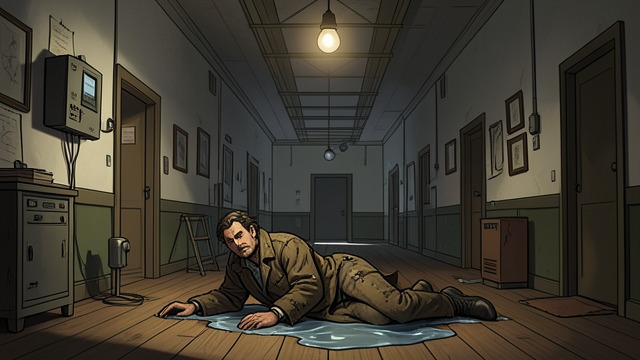
The Open Prison Ends
Decline and loneliness
In Eldorado, illness, poverty, and lost relationships reduced Josef Mengele to a dependent recluse. He longed for home but could not safely return.
Escape without release
His death by drowning ended his flight but not through legal judgment. The man who evaded punishment died alone, leaving the questions of memory and responsibility to others.
1949
1956 to 1958
1960 to 1962
1967 to 1968
1975 to 1979
